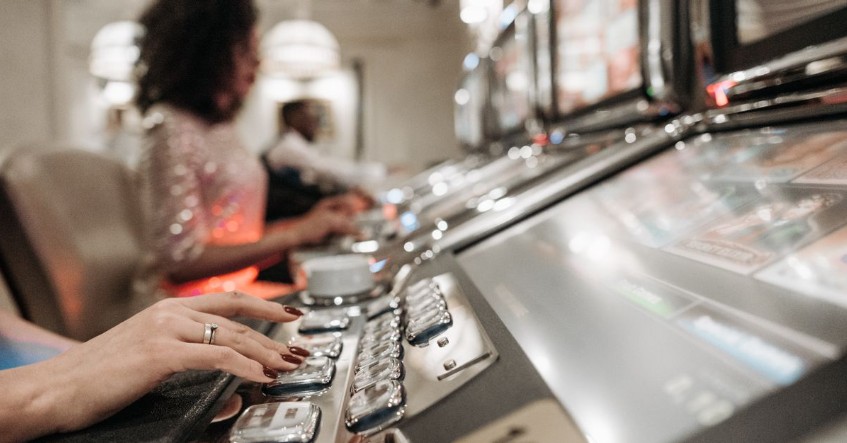
Have you ever noticed how certain slot experiences feel more immersive and satisfying than others, even when the mechanics are similar? The difference often comes down to one simple factor: mood. When a slot environment has a clear, cohesive atmosphere, players feel more connected to what they’re experiencing. The visuals, sounds, and overall tone work together to create something that feels intentional and complete rather than random or thrown together.
Mood isn’t just about making things look pretty. It’s about creating a psychological anchor that makes every spin feel like it belongs to something bigger. When players understand the theme and feel the consistent atmosphere throughout their session, the experience becomes more engaging on multiple levels. This is why some slots stick with people long after they’ve stopped playing, while others fade into memory almost immediately.
The relationship between mood and player perception is actually quite straightforward once you understand the psychology behind it. Let’s explore why a strong, clear mood makes slot experiences feel so much more powerful and memorable.
How Mood Creates Psychological Connection
A clear mood gives your brain something to latch onto, making the entire experience feel cohesive and meaningful.
When you enter a slot with a well-defined atmosphere, your mind immediately starts building expectations. If the theme is ancient Egypt, you expect gold, hieroglyphics, and mystical elements. When those elements appear consistently throughout the game, your brain feels satisfied. This consistency triggers something called cognitive fluency, which is the ease with which your mind processes information. The easier something is to process, the more enjoyable it feels.
Without a clear mood, your brain has to work harder to make sense of what it’s seeing. Random visuals, mismatched sounds, and inconsistent design create friction. This friction doesn’t feel good, even if you can’t quite put your finger on why. It’s the difference between walking into a carefully decorated restaurant versus one where the decor seems random and disconnected. Both serve food, but one feels intentional while the other feels sloppy.
The Role Of Visual Consistency In Mood
Visual design is where mood becomes tangible and immediately noticeable to players.
A strong mood means every visual element supports the same story. The colors work together, the symbols make sense within the theme, and the animations feel appropriate. When you’re playing a underwater-themed slot, everything from the background to the smallest symbol should feel wet and oceanic. The palette should lean toward blues and teals. The animations should move with a fluid quality. When all these elements align, players feel like they’re genuinely in that underwater space.
The opposite happens when visual elements contradict each other. Imagine a pirate-themed slot with bright neon colors and futuristic symbols. The disconnect creates mental noise. Players might still play, but the experience feels less satisfying because their brain is confused about what story is being told. You can access platforms like hoki123 login to see examples of how different visual approaches affect player perception and engagement levels.
Audio And Atmosphere Building
Sound design is often underestimated, but it’s absolutely critical to establishing and maintaining a clear mood.
The right audio cues reinforce the mood at every moment. A medieval-themed slot should use period-appropriate music and sound effects. When you hit a winning combination, the celebratory sound should fit the theme. A mystical chime works perfectly for a fantasy slot, but it would feel wrong in a modern city-themed game. The audio creates an invisible layer of atmosphere that pulls players deeper into the experience.
Poor audio design breaks the mood instantly. Mismatched sound effects, generic music that doesn’t fit the theme, or audio that feels out of sync with the visuals all create disconnection. Players might not consciously think about it, but they feel the difference. It’s the same reason a scary movie with terrible sound design stops being scary. The audio is doing half the work of establishing mood, and when it fails, the entire experience suffers.
How Mood Affects Player Retention
A clear mood doesn’t just feel better in the moment; it actually keeps players coming back.
When players feel immersed in a cohesive atmosphere, they’re more likely to stay engaged for longer sessions. They’re also more likely to remember the experience fondly and return to it later. This is because mood creates emotional resonance. You’re not just spinning reels; you’re exploring a specific world that feels real and intentional. That emotional connection makes the experience more memorable than a generic slot with no clear identity.
Players also tend to be more forgiving of gameplay mechanics when the mood is strong. If the mood is compelling enough, minor mechanical issues don’t bother them as much. The opposite is also true: even excellent mechanics feel hollow when there’s no clear mood to support them. The mood acts as the foundation that makes everything else feel worthwhile.
Creating Mood Through Narrative Elements
The strongest moods are built on a foundation of clear storytelling and thematic purpose.
Slots with strong narratives feel more powerful because they give players a reason to care about what’s happening. Whether it’s a story about a treasure hunter, a mystical wizard, or a space explorer, the narrative provides context. When players understand why they’re playing and what the theme represents, the experience becomes about more than just spinning reels. It becomes about participating in a story. You can explore various approaches to mood and theme by visiting hoki123 to see how different platforms implement narrative elements effectively.
The Difference Between Mood And Theme
While related, mood and theme aren’t exactly the same thing, and understanding the distinction matters.
A theme is the subject matter: pirates, space, ancient civilizations, or fantasy worlds. A mood is the emotional atmosphere created around that theme. You could have two pirate-themed slots with completely different moods. One might feel dark and dangerous, full of suspense and high stakes. Another might feel adventurous and fun, like you’re on an exciting treasure hunt with friends. The theme is the same, but the mood is entirely different, and that difference changes how players feel about the entire experience.
The best slots nail both elements. They have a clear theme that’s immediately recognizable, and they build a consistent mood that reinforces that theme. This combination creates something that feels complete and intentional rather than like a collection of random elements thrown together.
Why Inconsistent Mood Feels Jarring
When mood shifts or becomes unclear, players notice immediately, even if they can’t articulate why something feels off.
Imagine a slot that starts with a dark, mysterious mood but suddenly shifts to bright, cheerful animations during bonus rounds. The tonal whiplash feels wrong. Your brain was prepared for one emotional experience, and now it’s getting something completely different. This inconsistency creates cognitive dissonance, which is uncomfortable. Players might not leave immediately, but they’ll feel like something isn’t quite right.
Consistency in mood means maintaining the same emotional tone throughout the entire experience. When players know what emotional space they’re in and that space remains stable, they feel secure and engaged. That stability is actually quite calming, even in a slot with high-energy gameplay.
The Long-Term Impact Of Mood
A clear mood creates lasting impressions that extend far beyond individual gaming sessions.
Players remember slots with strong moods. They talk about them, recommend them to others, and think about them when they’re not playing. A slot with no clear mood is forgotten almost immediately. The mood is what makes a slot distinctive and memorable. It’s the difference between a slot that feels like one of many and a slot that feels like its own unique experience. When mood is done well, it transforms a simple game mechanic into something that feels special and worth returning to repeatedly.