
In the world of sports betting, few concepts are as essential as tỷ lệ kèo. Whether you are a beginner or an experienced bettor, understanding what “tỷ lệ kèo” really means — and how to interpret it correctly — can make the difference between consistent success and emotional, risky play. This term, originating from Vietnamese betting communities, refers to the odds or betting lines provided by bookmakers. But more than just numbers, tỷ lệ kèo represents the bookmaker’s assessment of a game’s outcome, public sentiment, and strategic risk management.
1. What Is “Tỷ Lệ Kèo” and Why It Matters
In simple terms, tỷ lệ kèo is the ratio that determines how much a bettor can win compared to their stake. It reflects the probability that a certain result will happen in a match — for example, which team will win, how many goals will be scored, or whether the total score will be over or under a specific number.
However, it’s important to remember that bookmakers do not set these odds just to predict the outcome. Their goal is to balance the amount of money wagered on both sides of a bet so that they can ensure profit regardless of the result. Therefore, the tỷ lệ kèo is both a reflection of real probabilities and a tool for managing betting flow.
For bettors, understanding this concept helps identify value — situations where the bookmaker’s odds underestimate the true likelihood of an outcome. When used correctly, this knowledge gives you an edge over impulsive players who only bet based on emotion or team loyalty.
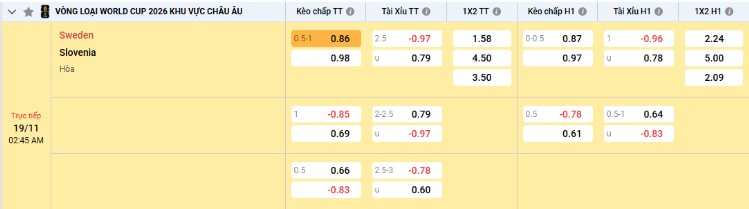
2. The Role of “Tỷ Lệ Kèo” in Choosing Bets
Choosing which bet to place is not only about who is likely to win, but also about whether the tỷ lệ kèo offers good value. Even if you think a team is stronger, the odds might be too low to justify the risk. Conversely, an underdog with slightly better odds might be worth a small, calculated stake.
To make this assessment, experienced bettors often compare the tỷ lệ kèo from several bookmakers. If one book offers a significantly different line from others, it might indicate that something is off — perhaps new information, or sometimes an attempt by the house to attract money in a specific direction.
The art of successful betting lies in identifying when a bookmaker’s odds don’t fully reflect the real probability. This is where analytical skill, data interpretation, and intuition intersect.
3. Recognizing “Kèo Chuẩn” and “Kèo Dụ”
Among Vietnamese bettors, two important phrases frequently appear: kèo chuẩn (accurate odds) and kèo dụ (trap odds). Understanding the difference between them is critical if you want to avoid losing money due to psychological manipulation by the bookmakers.
- Kèo chuẩn are odds that reflect fair and balanced probabilities. These are usually based on objective analysis, team performance, player conditions, and recent statistics. When most professional bettors agree with a certain line and the movement of the odds is stable, you are likely looking at a kèo chuẩn.
- Kèo dụ, on the other hand, are misleading odds intentionally designed to attract inexperienced bettors to make emotional choices. Bookmakers sometimes create these traps by offering unusually high odds for a popular team, making it seem like a “can’t lose” opportunity. In reality, this strategy shifts money toward one side, balancing the bookmaker’s risk and ensuring long-term profit for them — not for you.
A common example of a kèo dụ is when a strong team is given an attractive handicap or payout rate right before the match, especially when there is unexpected news such as injuries or lineup changes. Many bettors rush to place bets without fully analyzing the context, falling right into the trap.
To avoid this, bettors should always track the movement of tỷ lệ kèo over time. Sharp changes in odds or unusual public sentiment can indicate manipulation. It’s also smart to cross-check information from multiple reputable sources before placing any wager.
4. Psychological Factors in Betting Decisions
Beyond statistics and probability, successful betting depends heavily on mental discipline and emotional control. Even when you fully understand tỷ lệ kèo, your decisions can still be influenced by psychological biases.
Some common emotional pitfalls include:
- Overconfidence: After a few wins, bettors may believe they’ve “figured out” the market and start taking bigger, riskier bets. This usually leads to overexposure and eventual losses.
- Chasing losses: When losing, many players double their next bet to recover money quickly. This is one of the most dangerous mental traps in gambling.
- Attachment bias: Betting emotionally on your favorite team instead of analyzing objectively.
- Fear of missing out (FOMO): Jumping on a popular “hot tip” just because others are doing it, without checking if it’s a kèo dụ.
To counter these tendencies, professional bettors set clear bankroll management rules — limiting how much they stake per game, maintaining consistent bet sizes, and taking breaks when emotions run high. They also view betting as a long-term investment, not a get-rich-quick method.
5. How to Identify Reliable “Tỷ Lệ Kèo” Sources
In the digital era, dozens of online platforms publish and update tỷ lệ kèo for different sports every minute. However, not all of them are reliable. When choosing where to check your odds, prioritize bookmakers that have:
- Transparent and regularly updated data
- A good reputation for fair payouts
- Consistent odds across different markets
- Analytical tools or historical stats to support decision-making
Avoid unknown or unlicensed websites that may post fake kèo or outdated information designed to mislead players.
Final Thoughts
Understanding tỷ lệ kèo haywin goes far beyond knowing how much you can win. It’s about learning how bookmakers think, how markets react, and how emotions influence decisions. The more you study odds movement and betting psychology, the better your chances of identifying true value bets and avoiding traps.
Remember: betting should always be done with strategy and self-control. A smart bettor respects both numbers and emotions — reading the tỷ lệ kèo carefully, staying calm under pressure, and never letting greed or fear dictate their choices. In the long run, this mindset separates the professionals from the casual players who depend on luck alone.