If you’ve never shipped a car before, getting a quote can feel confusing. One company offers $850, another quotes $1,100, and a third comes back at $700. Why are the prices so different?
The truth is that auto transport isn’t sold at a flat rate. Every shipment is priced according to current market conditions, your vehicle, your route, and carrier availability. The key to avoiding surprises isn’t finding the cheapest quote—it’s understanding exactly what goes into the final price.
Many customers begin comparing companies like Navi Auto Transport before booking because transparent pricing makes it easier to budget for a move and avoid unexpected costs later. The more you understand how quotes are calculated, the easier it becomes to identify realistic pricing and choose a reliable transport company.
This guide explains how to estimate your shipping costs accurately and what you should look for before booking.
Start With Your Route
Distance is the largest factor affecting transport costs.
However, longer doesn’t always mean proportionally more expensive.
For example:
- A 300-mile shipment may cost more per mile than a 2,000-mile shipment.
- Cross-country shipments cost more overall but often provide better value per mile because carriers spend more time driving and less time loading and unloading vehicles.
The exact pickup and delivery locations also matter.
Shipping between major cities is generally less expensive than transporting a vehicle to a remote town because carriers already travel the busiest routes.
Vehicle Type Matters
Not every vehicle costs the same to transport.
Compact sedans usually receive the lowest rates.
Shipping costs increase for:
- Full-size SUVs
- Pickup trucks
- Cargo vans
- Lifted trucks
- Heavy electric vehicles
Larger vehicles occupy more trailer space and increase the trailer’s total weight, reducing the number of vehicles a carrier can transport on one trip.
Open or Enclosed Transport?
One of the biggest pricing decisions is choosing between open and enclosed transport.
Open Transport
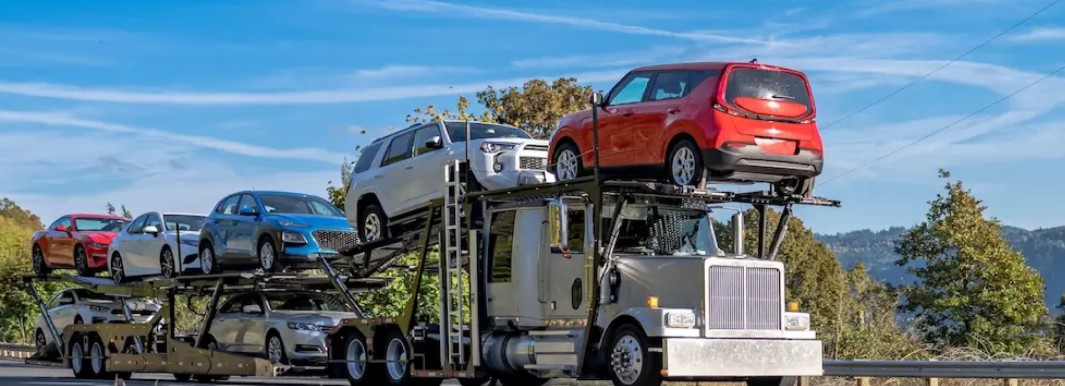
Open carriers transport the majority of vehicles in the United States.
They are ideal for:
- Daily-driver vehicles
- Family sedans
- SUVs
- Pickup trucks
- Lease vehicles
Open transport offers the most affordable pricing while remaining extremely reliable.
Enclosed Transport
Enclosed trailers provide additional protection from:
- Weather
- Road debris
- Dust
- Stone chips
They’re typically recommended for:
- Luxury vehicles
- Collector cars
- Classic automobiles
- Exotic vehicles
- High-value sports cars
Enclosed transport generally costs 30% to 60% more because enclosed trailers carry fewer vehicles.
Season Can Change Everything
Many people don’t realize that vehicle shipping is seasonal.
Demand usually increases during:
- Spring relocation season
- Summer moving season
- Military PCS season
- College move-in periods
- Snowbird migration
During these periods, carrier availability becomes tighter, which often leads to higher prices.
If your moving schedule is flexible, shipping during quieter months may help reduce costs.
Flexible Dates Save Money
One of the easiest ways to lower your quote is by remaining flexible.
Customers who require pickup on one exact day usually have fewer carrier options.
If you can provide a pickup window of several days, carriers have more opportunities to fit your vehicle into an existing route.
Greater flexibility often leads to more competitive pricing.
Rural vs. Urban Locations
Location matters almost as much as distance.
Major metropolitan areas such as:
- Dallas
- Houston
- Chicago
- Atlanta
- Los Angeles
- Phoenix
- Miami
- New York
are served by carriers every day.
Remote communities, mountain towns, and rural areas may require additional travel, increasing the overall shipping cost.
Fuel Prices Influence the Market
Fuel represents one of the largest operating expenses for transport companies.
While diesel prices don’t change your quote overnight, long-term fuel trends influence shipping rates across the industry.
Stable fuel prices usually help keep quotes consistent, while significant increases may push market pricing higher.
Vehicle Condition
An operable vehicle is easier—and less expensive—to transport.
If your vehicle:
- Doesn’t start
- Doesn’t steer
- Has brake problems
specialized loading equipment may be required.
Always inform your transport company about mechanical issues before booking to ensure accurate pricing.
What Should Be Included in a Quote?
A quality transport quote should clearly explain what’s included.
Ask whether the estimate covers:
- Door-to-door service
- Carrier transportation
- Cargo insurance
- Fuel surcharges
- Pickup window
- Estimated transit time
- Vehicle inspection
- Delivery documentation
Knowing exactly what you’re paying for helps eliminate surprises later.
Why the Cheapest Quote Isn’t Always the Best
Everyone wants to save money.
However, extremely low estimates should raise questions.
A quote that’s much lower than competing offers may indicate:
- Outdated pricing
- Limited carrier availability
- Hidden fees
- Difficulty finding a driver willing to accept the shipment
- Future price adjustments
Instead of choosing the lowest number, compare the overall value.
Reliable communication, transparent pricing, insurance coverage, and realistic pickup expectations are often worth far more than saving a small amount upfront.
How to Prepare Before Booking
Before requesting quotes, gather the following information:
- Pickup ZIP code
- Delivery ZIP code
- Vehicle make
- Vehicle model
- Vehicle year
- Whether the vehicle runs
- Preferred pickup date
- Desired transport type
Providing accurate information leads to more accurate estimates.
Preparing Your Vehicle
Once you’ve booked your shipment, prepare your vehicle by:
- Washing the exterior.
- Photographing every side.
- Recording existing scratches or dents.
- Removing personal belongings.
- Leaving approximately one-quarter tank of fuel.
- Removing toll transponders.
- Checking tire pressure.
- Charging the battery.
- Informing the carrier about mechanical issues.
These steps help ensure a smooth pickup and delivery process.
Tips for Getting the Most Accurate Price
To receive the most realistic estimate:
- Book two to four weeks before pickup.
- Be flexible with your pickup dates.
- Choose open transport unless enclosed shipping is necessary.
- Ship between major metropolitan areas whenever possible.
- Avoid peak moving season if your schedule allows.
These simple decisions can often reduce your shipping costs while improving carrier availability.
Final Thoughts
The best way to avoid surprises when pricing a car shipment is to understand what actually drives the cost. Distance, vehicle size, transport type, seasonal demand, pickup location, and scheduling flexibility all influence the final quote.
Rather than focusing only on finding the lowest price, compare complete quotes, review what’s included, and work with a company that provides transparent communication from the beginning. A well-planned shipment doesn’t just protect your budget—it also gives you confidence that your vehicle will arrive safely and on schedule.