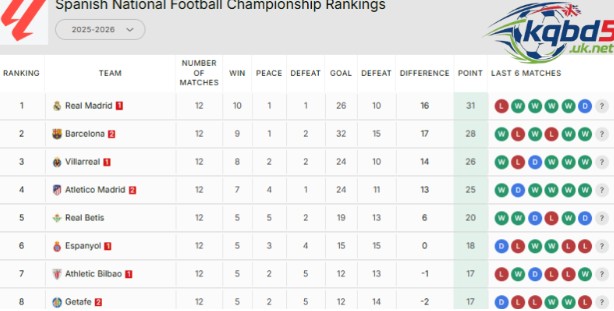
In modern football, numbers are more than decoration; they are the language of the season. The Bảng xếp hạng bóng đá (football league table) distills months of effort into a single snapshot that shows who is thriving, who is slipping, and where the crucial battles are unfolding. When combined with verified kết quả bóng đá (match results), standings become a practical tool for planning, analysis, and storytelling—useful for fans, editors, coaches, and data-minded readers alike. This guide explains how tables are constructed, how updates flow from the pitch to your screen, and how to interpret movement with nuance rather than hype.
What Exactly Is a Football League Table?
A league table orders teams competing in the same competition according to points accumulated across the season. Standard scoring rules are widely used: three points for a win, one for a draw, and none for a loss. But behind that familiar frame sits a richer data structure that helps separate teams when points alone are identical.
The Core Columns You Should Know
- P (Played): Total matches completed; useful for spotting games in hand.
- W–D–L (Wins–Draws–Losses): A quick map of form and risk appetite.
- GF/GA (Goals For/Against): Attacking output and defensive resilience at a glance.
- GD (Goal Difference): GF minus GA; a reliable indicator of underlying strength.
- PTS (Points): The ranking engine—promotion, continental slots, and survival hinge on it.
Common Tiebreakers
When teams tie on points, competitions typically apply (in order): goal difference, goals scored, head-to-head record (points and GD), fair play metrics, or—in rare, decisive cases—a playoff. Always check competition rules, but these principles cover the vast majority of tables worldwide.
From Stadium to Standings: How Updates Really Happen
Every change you see in the Bảng xếp hạng bóng đá begins with an on-field event. The process is simple in concept and sophisticated in execution:
- Event Capture: Goals, cards, substitutions, and final whistles are recorded in real time by official data partners and accredited reporters.
- Validation: Automated and editorial checks confirm the event (e.g., correcting an own goal attribution).
- Result Finalization: Once the referee ends the match, the kết quả bóng đá becomes official.
- Standings Recalculation: Points and goal metrics roll up to the league table; positions shift instantly.
- Distribution: APIs and content systems push refreshed rankings across web, mobile, and apps within seconds.
This pipeline minimizes human error, ensures consistency across competitions, and gives supporters a near-live view of the competitive landscape.
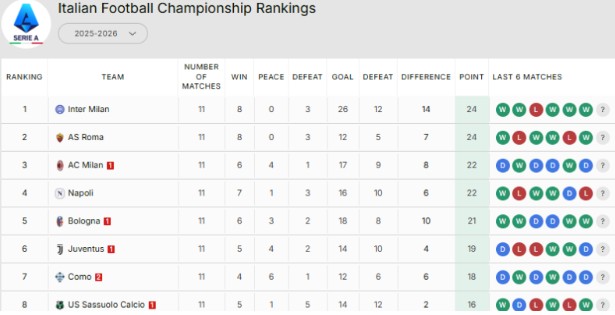
Reading Movement on the Table: Signals That Matter
1) Matches in Hand
A side with fewer games played can make sudden leaps. When comparing teams, normalize by remaining fixtures to avoid overrating current position.
2) Goal Difference as a Health Check
GD is the “quiet truth.” Sustained positive GD usually indicates repeatable performance; scraping narrow wins with negative GD often signals future regression.
3) Five-Match Form Windows
Short windows highlight momentum without letting single anomalies dominate the story. Look at W–D–L over the last five rounds beside season-long baselines.
4) Strength of Schedule
Climbs and dips often coincide with clusters of strong or weak opponents. Annotate position changes with upcoming fixtures to judge whether trends will continue.
5) Home/Away Splits
Tables rarely show venue splits by default. If a team’s away form lags, late-season road trips can be decisive despite a healthy overall rank.
Integrating Standings with Match Results
Standings show where a team is; results explain how it got there. Pairing the Bảng xếp hạng bóng đá with the most recent kết quả bóng đá enables a full loop:
- Before Matchday: Use standings to identify leverage matches (top vs. chasing pack; relegation six-pointers).
- During Matchday: Track interim positions—what a goal or red card would do to the table.
- After Full Time: Reconcile outcomes with expected trends; note whether the position change came from sustainable play or isolated moments (e.g., penalties, red cards).
This habit builds a disciplined, evidence-based view of form rather than a headline-driven one.
Beyond the Basics: Anatomy of an Elite League Table
Transparent Rule Notes
Great tables include a concise legend of tiebreakers, ensuring readers understand why Team A sits above Team B.
Contextual Metadata
Badges for “match in hand,” “streak,” or “clinched qualification” turn static rows into a live narrative.
Accessibility and Filters
Clean typography, mobile-first layout, and filters for competition, club, or date ranges let you scan quickly without losing precision.
Update Discipline
Time-stamped refresh notes build trust. If a postponed match or disciplinary ruling affects the table, the best systems mark it clearly.
Practical Use Cases for Readers and Editors
Fans
Follow your club’s trajectory, benchmark rivals, and plan watch priorities around leverage fixtures. A small weekly routine—checking table + upcoming schedule—pays off.
Content Teams
Use standings to set editorial angles: title race pressure, European qualification battles, or relegation scrambles. Pair with kết quả bóng đá to validate narratives.
Analysts and Scouts
Annotate table shifts with tactical context: formation tweaks, injuries, schedule density. The table becomes a gateway to deeper video and data review.
Common Pitfalls (and How to Avoid Them)
- Overvaluing a Single Result: One shock win rarely rewrites a season; look for clusters.
- Ignoring Underlying Metrics: If GD and chance creation lag behind points, expect correction.
- Forgetting Games in Hand: Positions can be misleading when the calendar is uneven.
- Reading Without Context: Sanctions, injuries, or fixture congestion can depress form temporarily—note them.
- Confusing Table Position with Quality: Rank is outcome; performance is process. Use both.
A 10-Minute Weekly Workflow to Stay Informed
- Scan the Table: Note top, middle, and bottom cut lines.
- Flag Leverage Matches: Identify fixtures that can flip positions.
- Check Five-Game Form: Validate momentum claims.
- Preview Schedule: Mark travel, short turnarounds, and heavy opponents.
- Post-Round Review: Align movement with the latest kết quả bóng đá and jot two lines on cause, not just effect.
Consistency beats complexity—this small loop compounds into sharp intuition over the season.
2025 and Beyond: Where Standings Are Headed
Expect standings to evolve from static charts to interpretive dashboards. Future-ready tables will surface:
- Contextual insights (injury load, rest days, travel miles).
- Predictive indicators blending schedule difficulty and finishing variance.
- Personalized views that highlight your clubs and hide noise.
The promise is clarity without clutter—helping you see the story sooner, and with less effort.
Conclusion
The Bảng xếp hạng bóng đá is the scoreboard of a season’s discipline. Read with context—games in hand, GD, form windows, schedule strength—and it becomes a reliable compass rather than a weekly surprise. Pair it with timely kết quả bóng đá to understand not only where teams stand, but why they stand there. Build a light routine, keep notes brief, and let the table guide your viewing, analysis, and conversation throughout the year.
A gentle next step: Pick one league, run the 10-minute workflow for the next four rounds, and store your notes. By month’s end, you’ll read the table—and the season’s turning points—with far greater clarity.