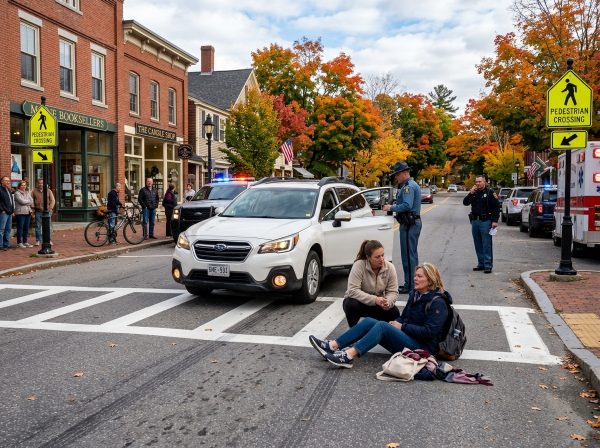
When a normal walk turns upside down
A walk across a DC street can change fast. One moment you’re crossing at a light. Next moment, everything shifts. Horns, brakes, confusion. Pedestrian crashes in Washington, DC happen often near busy roads and intersections. Streets stay crowded. Drivers get distracted. People on foot pay the price. These cases are not simple. Small details matter. Speed. Signal timing. Even the weather. That’s why legal strategy matters right from the start. A strong plan can shape the outcome of a claim. A weak one can cost you fair support. That’s where a DC Personal Injury Lawyer becomes part of the picture.
Why DC pedestrian crashes are not “standard” cases
DC has a mix of heavy traffic zones, tourists, and tight intersections. That mix creates risk. You’ll see:
- Sudden lane changes near crosswalks
- Drivers rushing yellow lights
- Distracted driving from phones or GPS
- Poor visibility at night in some areas
Now here’s the thing. Pedestrian cases often turn into “he said, she said” fights. Insurance companies may say the walker was not careful. Even when the driver caused the crash. That back-and-forth is normal. But it also makes evidence very important.
Right after the crash: small actions matter a lot
After a pedestrian accident, people often feel shocked. Pain can take time to show up. Still, a few steps help protect your claim later:
- Call emergency services right away
- Get medical care, even for small pain
- Ask for a police report
- Take photos if you can
- Get contact details from witnesses
You know what often gets missed? Camera footage. Many DC intersections have traffic cams or nearby business cameras. That video can tell the real story. Time matters here. Some footage gets erased in days.
Building a legal plan that actually holds up
A legal strategy is not just paperwork. It’s more like building a timeline of truth. Lawyers usually look at:
1. Scene evidence
Skid marks. Crosswalk signs. Signal timing. Small things that show what really happened.
2. Medical records
These show how serious the injury is. Not just what hurts today, but long-term impact too.
3. Witness statements
People nearby often remember key details. Like speed or direction.
4. Digital proof
Traffic cameras, dash cams, or even phone data can matter.
5. Insurance behavior
Some insurers try to reduce payouts early. That needs careful handling.
Let me explain it simply. The goal is to connect every piece like puzzle parts. When one piece is missing, the story weakens.
What injuries and losses usually look like
Pedestrian injuries can be serious. Even at low speed. Common ones include:
- Broken bones
- Head injuries
- Back and spine injuries
- Cuts and deep bruises
- Long recovery pain
And it’s not just medical bills. There are other losses too:
- Missed work days
- Ongoing treatment
- Stress and daily disruption
- Reduced movement or energy
Some people feel fine at first, then pain shows up later. That delay can confuse cases if not documented early.
Why legal help changes the direction of a claim
Pedestrian crash claims often get pushed back by insurance companies. Not always openly. Sometimes it’s slow replies. Sometimes low offers. This is where legal strategy becomes more active. A firm like Price Benowitz Accident Injury Lawyers, LLP, based in Washington, DC, works on these types of injury cases regularly. That includes car, truck, motorcycle, bicycle, bus, and pedestrian accidents. They also handle severe injury cases like spinal cord and burn injuries. Their role is not just filing claims. It’s building pressure through facts, timing, and documentation. A strong legal approach usually focuses on:
- Fast evidence collection
- Clear injury documentation
- Direct communication with insurers
- Careful review of fault rules in DC
And yes, DC follows a system where fault can be shared. That can reduce payment if not handled right.
Fault rules can surprise people
Here’s something many don’t expect. Even if a driver hits a pedestrian, the case may still involve shared fault arguments. For example:
- Crossing outside a crosswalk
- Crossing against a signal
- Sudden movement into traffic
That doesn’t end a claim. Not at all. But it can affect the outcome. This is why legal framing matters. The way facts are shown changes how fault is viewed.
Settlement talks are not just numbers
Insurance companies often talk money early. It may sound simple. But early offers are often lower than long-term value. A proper strategy waits until:
- Medical condition is clearer
- Future treatment needs are known
- Full impact on work is measured
Rushing this step can leave gaps.
A small but real truth about timing
Many people wait too long before speaking with a lawyer. They hope pain goes away or paperwork becomes easier. But delay can weaken evidence. Memories fade. Footage disappears. Reports get harder to find. Quick action often helps more than perfect timing.
FAQs
1. What should I do first after a pedestrian accident in Washington, DC?
Get medical care right away. Even small pain matters. Then report the crash and gather basic details if possible. A police report helps later.
2. Can I still file a claim if I was partly at fault?
Yes. DC allows shared fault rules. Your payment may reduce based on your share, but claims can still move forward.
3. How long do pedestrian accident cases take?
It depends on injury level and insurance response. Some settle in months. Serious injury cases may take longer.
4. What kind of compensation can be claimed?
Medical costs, lost income, rehab needs, and pain impacts may be included. Each case is different based on proof.
5. Why should I talk to a DC Personal Injury Lawyer early?
Early legal help protects evidence and avoids low early offers. It also helps build a clearer case from the start.