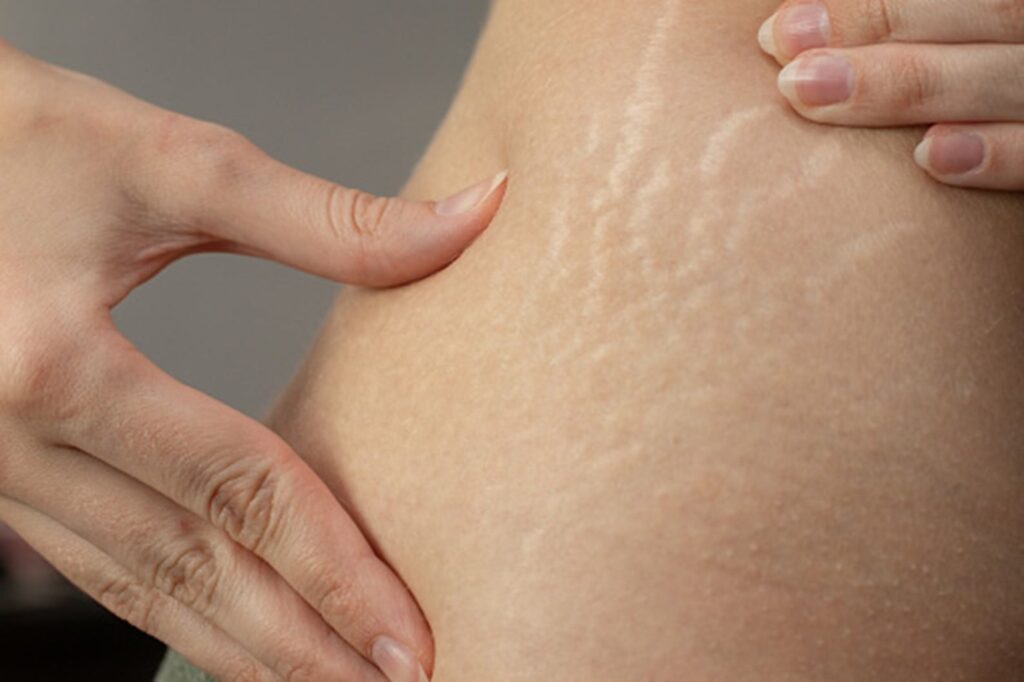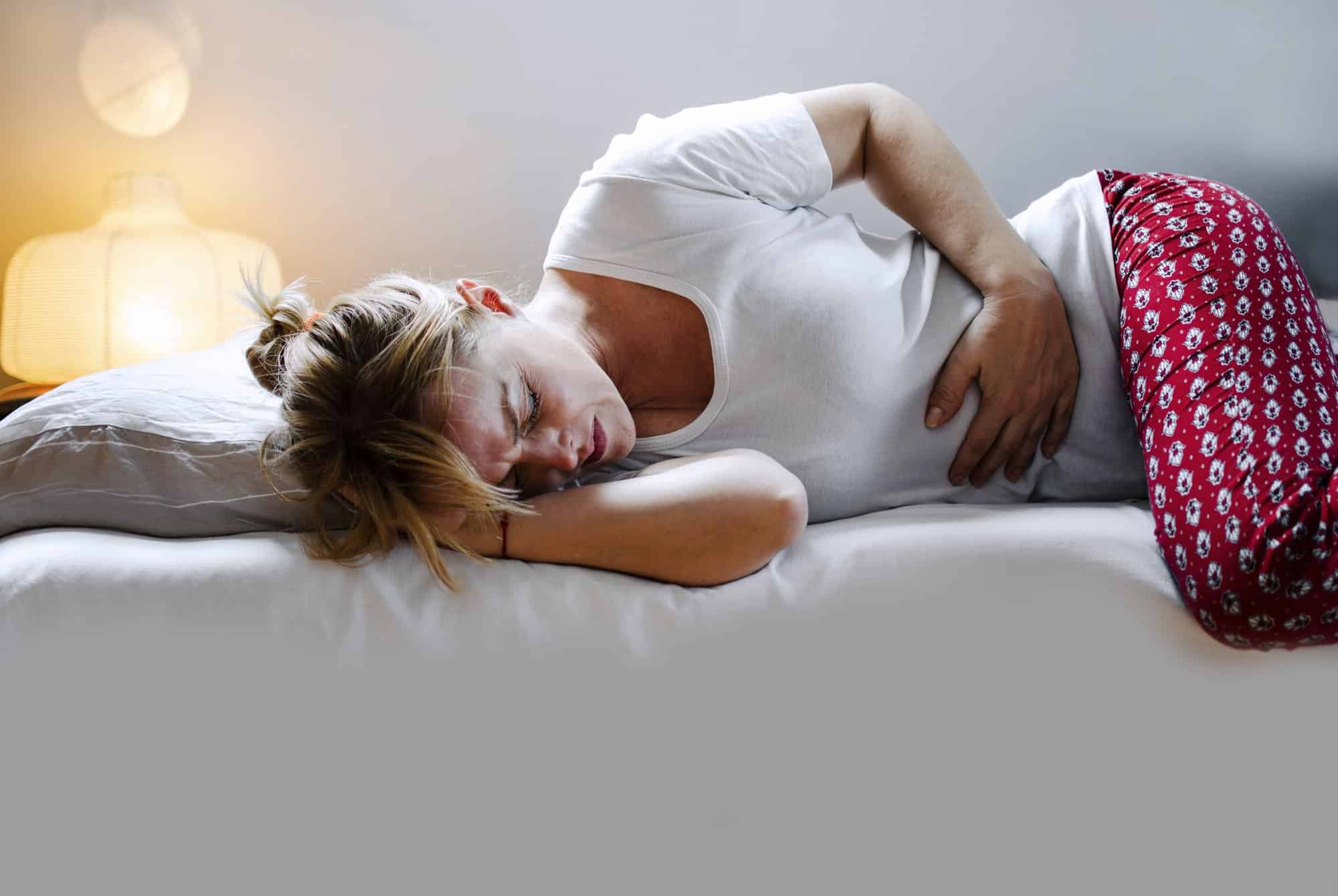
Many women experience cramps during their period and assume discomfort is simply part of their monthly cycle. But when pain becomes intense, long-lasting, or starts affecting work, movement, or daily comfort, it may signal something more. One of the most common underlying causes is endometriosis — a condition that can take years to recognise. Knowing how it differs from routine menstrual cramps helps ensure early diagnosis and better symptom control.
What Exactly Is Endometriosis?
Endometriosis occurs when tissue similar to the lining of the uterus grows outside it – often on the ovaries, fallopian tubes, or pelvic walls. These cells behave like uterine tissue, thickening and bleeding each month, but unlike normal menstrual blood, they have nowhere to go. This trapped tissue leads to inflammation, pain, and sometimes scarring. Consulting a gynaecologist can help diagnose the condition early through pelvic exams, imaging, or minimally invasive procedures like laparoscopy.
How Is It Different from Normal Period Pain?
Typical menstrual pain usually begins just before or at the start of a period and eases within a few days. Endometriosis pain, however, tends to be deeper, more persistent, and may occur at times unrelated to menstruation. Many women describe it as a sharp, burning, or radiating pain that affects the back, thighs, or pelvis. Unlike regular cramps, this pain may worsen over time and isn’t always relieved by medication. A top gynae in Bangalore can help distinguish between cyclical period pain and endometriosis-related discomfort through careful evaluation and symptom tracking.
What Are the Common Signs of Endometriosis?
While every woman’s experience is unique, certain symptoms frequently appear together.
Some of the most common include:
- Severe pelvic pain before and during periods
- Pain during intercourse
- Bloating or digestive issues around menstruation
- Fatigue or low energy
- Difficulty conceiving despite regular cycles
If several of these symptoms sound familiar, it’s important to seek early evaluation. A trusted gynae near me can perform the right tests and guide you toward pain management and hormonal regulation options.
Why Does Endometriosis Often Go Undiagnosed?
Many women delay seeking help because they believe their pain is a normal part of menstruation. Unfortunately, endometriosis symptoms can mimic other conditions like irritable bowel syndrome or urinary infections, making diagnosis challenging. Early detection matters – untreated endometriosis can lead to chronic pelvic pain and fertility issues. Regular consultations with an experienced gynae in Bangalore help monitor changes in symptoms and ensure timely intervention when needed.
How Is Endometriosis Managed or Treated?
There’s no one-size-fits-all treatment, but effective management can greatly improve quality of life.
Treatment options include:
- Pain-relief medications to ease symptoms
- Hormonal therapy to control tissue growth
- Laparoscopic surgery to remove affected tissue
- Fertility treatment for those trying to conceive
Lifestyle adjustments like balanced diet, regular exercise, and stress management also make a difference. A trusted gynae near me will tailor a care plan to your symptoms, age, and reproductive goals.
Can Lifestyle and Diet Play a Supportive Role?
Yes. While lifestyle changes cannot cure endometriosis, they can help control inflammation and discomfort. A diet rich in anti-inflammatory foods such as leafy greens, berries, and omega-3 fats can ease pain. Reducing processed foods and caffeine may also help. Light physical activity like yoga or walking supports blood flow and hormone balance. Personalized advice from a gynaecologist can guide you toward daily habits that complement medical treatment.
When Should You Seek Medical Attention for Pain?
If pelvic pain interferes with your work, rest, or emotional well-being, it’s time to see a doctor. Period pain should never feel disabling or leave you drained for days. Getting a professional opinion from a trusted gynae near me ensures your symptoms are taken seriously and properly evaluated. Early care prevents progression and helps you manage pain effectively, giving you control over your health again.
Conclusion
Endometriosis doesn’t have to define your life. With proper diagnosis, treatment, and lifestyle support, pain can be reduced and daily comfort restored. Regular follow-ups with a skilled gynae in Bangalore help track progress and adjust treatment as needed. Understanding your body, trusting your instincts, and seeking help early can make every cycle less daunting and far more manageable.