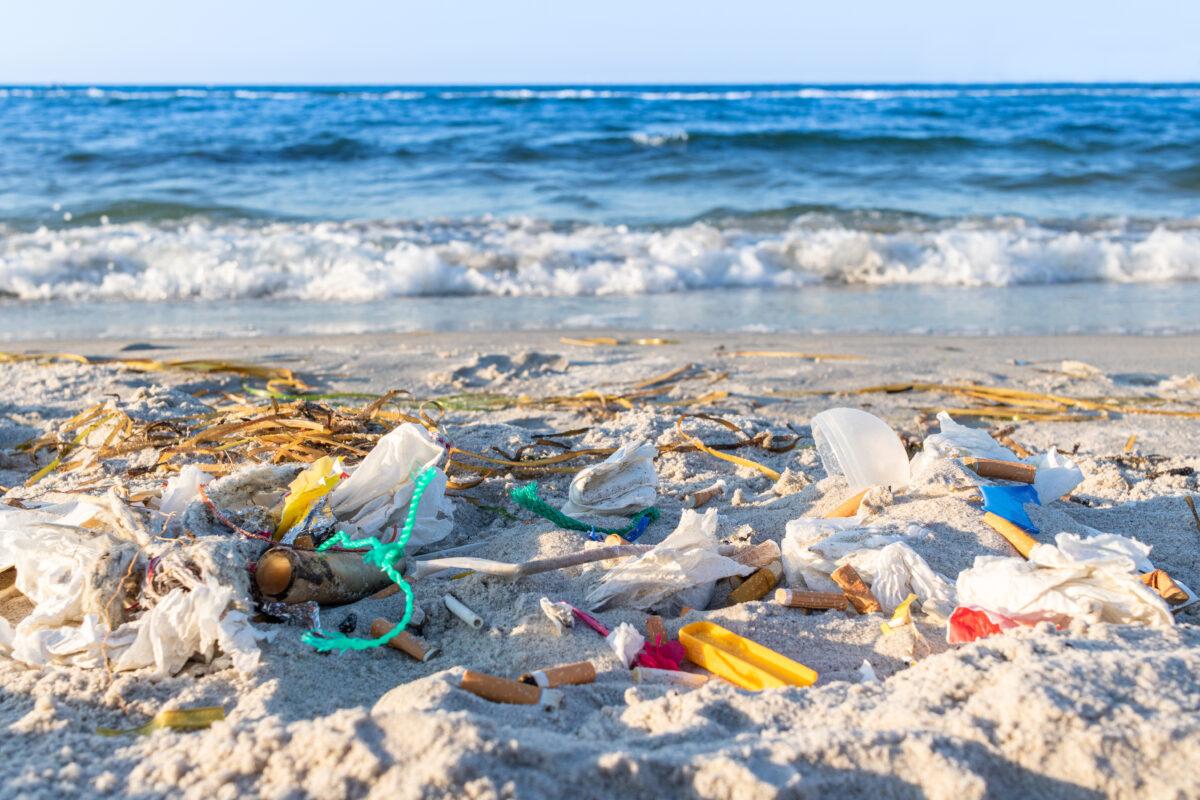
In Palopo, the Dinas Lingkungan Hidup (DLH) has embraced digital tools as a core part of its environmental mission. The official website, dlhpalopo.org, is more than just an information portal; it plays a strategic role in supporting and scaling waste reduction initiatives across the city. By facilitating participation, education, reporting, and regulation, the site strengthens Palopo’s capacity to manage waste sustainably. The impacts are tangible, and the website has become a linchpin in the city’s evolving waste governance.
Centralizing Waste-Management Governance
One of the most important contributions of dlhpalopo.org is making DLH’s institutional structure more transparent. On the site, users can explore the different operational divisions: Tata Lingkungan (environmental planning), Pengelolaan Sampah & Limbah B3 (waste and hazardous waste management), Pengendalian Pencemaran (pollution control), and Capacity Building.This transparency fosters understanding: citizens can better appreciate how waste management is embedded within the broader environmental mandate.By explaining DLH’s vision and mission online, the website sets a clear narrative for its long-term goals. The mission emphasizes inclusive green economy, collective environmental compliance, and participatory governance all crucial for successful waste-reduction strategies. Through its digital presence, DLH communicates to the public that managing waste is not solely a technical challenge, but a shared social responsibility.
Enabling Participation: Public Complaints & Engagement
A vital feature of the website is the Pengaduan (complaint) mechanism, which allows individuals, groups, or organizations to report environmental problems directly. This channel can cover various waste-related issues such as illegal dumping, uncollected trash, or hazardous waste making the public an active monitor of waste practices.This kind of two-way communication is powerful for waste reduction. When citizens report problems, DLH can act, and if the site provides feedback, residents can see the impact of their engagement. Over time, it builds a sense of mutual accountability: people realize that waste reduction isn’t just about the city government doing its job, they are part of the solution too.
Supporting Policy Reform & Regulatory Strengthening
dlhpalopo.org isn’t just a passive portal; it supports regulatory reform. For example, DLH Palopo held a public consultation on revising its regional regulation (Perda) on waste management. By hosting or at least promoting such events, the website helps make the policymaking process more inclusive. Citizens, community groups, and businesses can voice their concerns, propose ideas, and help shape local waste laws. This kind of engagement ensures that new policies reflect on-the-ground realities, boosting the legitimacy and effectiveness of waste regulations.
Promoting Behavioral Change: Campaigns and Waste-Reduction Programs
- During World Clean-Up Day, Palopo organizes mass clean-up events, combined with a “Gerakan Sedekah Sampah” (Trash Alms Movement) where citizens can exchange recyclables like plastic bottles, cans, paper for essentials.This is deeply symbolic but also practical: it incentivizes recycling, reduces litter, and helps divert reusable waste from landfills.
- In the context of Hari Peduli Sampah Nasional (HPSN) 2024, DLH emphasized reducing plastic waste through a waste-separation initiative (organic vs. anorganik), while also pushing for a circular economy model.These efforts are publicly documented and promoted through Palopo’s environmental governance channels, with DLH playing a central role.
Institutionalizing Innovation: Working with Communities
One of the most remarkable success stories linked to DLH’s waste-reduction efforts is the black soldier fly (BSF) composting innovation. Civil society organizations in Palopo, particularly through the Mappacing multi-stakeholder forum, have introduced BSF larvae to process organic household waste. The larvae convert food waste into compost, liquid fertilizer, and even protein-rich biomass for animal feed.What makes this especially impactful is that DLH has institutionalized support for the model: a Mayoral Circular and a technical decree from the Environmental Office now back this community-based innovation. This shows how digital engagement (through forums, advocacy, and DLH coordination) can lead to real policy adoption and scale-up.
Addressing Institutional & Operational Challenges
While dlhpalopo.org has catalyzed positive change, it also highlights some persistent challenges. For example, studies show that Palopo’s waste-collection infrastructure remains under-resourced: there are gaps in fleet capacity and insufficient personnel in DLH’s waste management units.Such constraints limit how much the city’s digital ambitions can translate into operational excellence.Another issue is public awareness and compliance: despite messaging efforts, many residents still do not separate their waste properly. Research indicates a lack of community understanding, limited socialization campaigns, and weak enforcement of local waste regulations.The website’s role in education is critical here it can act as a hub for guidelines, infographics, and clear instructions. But its impact ultimately depends on how well it encourages adoption of desired behaviors.
Measuring Impact Through Smart Governance
Through dlhpalopo.org and its alignment with Palopo’s Smart City Strategy, DLH is integrating digital governance with environmental performance. The city’s smart-city roadmap explicitly includes reducing waste through 3R (Reduce, Reuse, Recycle) from the source, and using digital systems to improve collection and monitoring.On the website, DLH can report on its performance, projects, and progress contributing to transparency and trust. The system supports periodic monitoring, community feedback, and institutional learning. Over time, this approach makes it easier to assess what works (e.g., BSF composting or the trash-for-goods program) and where adjustments are needed.
Conclusion
Overall, dlhpalopo.org is not simply a digital business card for Palopo’s environmental agency. It’s a strategic instrument in the city’s waste-reduction toolbox. By enabling community participation, supporting policy reform, broadcasting campaigns, and promoting innovative models, the site strengthens both governance and civic engagement.Its impact is visible in how waste-reduction efforts are becoming more institutionalized whether through regulatory change, public events, or community-based recycling. But the journey is far from over: infrastructure limitations, behavioral inertia, and resource constraints remain. DLH’s continued digital engagement, paired with on-the-ground programs, will be vital to sustaining and deepening the gains made so far.