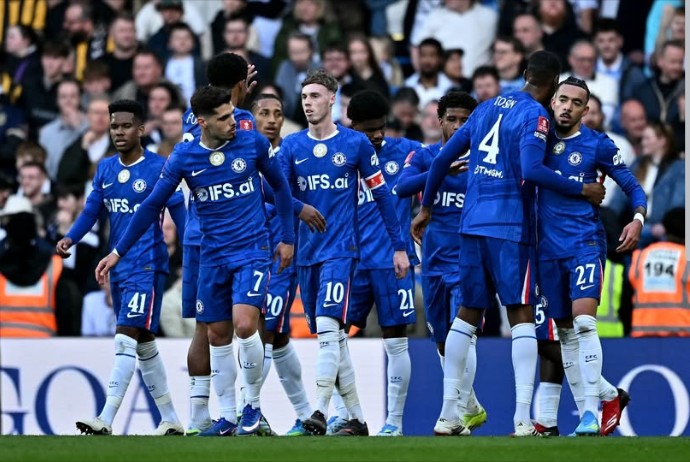
Changing allegiances during a World Cup is often framed as disloyalty, but it can also reveal how viewers respond to what they see on the pitch. As matches unfold, fans are not just supporting identities—they are reacting to tactical clarity, momentum, and performance patterns that become visible through live viewing.
Why Performance Often Overrides Pre-Tournament Loyalty
Initial support is usually based on nationality, reputation, or star players. However, once matches begin, those expectations are tested against actual performance. A team that struggles to create chances or maintain structure can quickly lose emotional backing.
This shift reflects a simple cause-and-effect relationship: viewers respond to what they see repeatedly. If a team consistently produces low-quality chances or looks unstable defensively, attention naturally moves toward sides that demonstrate clearer patterns of control.
How Tactical Clarity Attracts Neutral Viewers
Teams with identifiable playing styles—whether high pressing, positional play, or fast transitions—tend to attract new supporters during a tournament. These patterns make matches easier to read and more engaging over time.
A viewer who can anticipate how a team will progress the ball or create chances becomes more invested. The connection forms not from identity, but from understanding.
What Viewers Notice Before They Change Allegiance
Switching support is rarely random. It usually follows repeated exposure to specific match patterns that signal quality or excitement.
- Consistent creation of high-quality chances rather than speculative shots.
- Clear attacking structures that produce repeatable movements.
- Defensive organization that limits opponent opportunities.
- Momentum shifts that feel controlled rather than chaotic.
These factors accumulate across matches. When viewers recognize them, they begin to trust one team’s process more than another’s, making a shift in support feel logical rather than impulsive.
How Live Viewing Accelerates These Shifts
The decision to favor one team over another often happens during live matches rather than after them. Watching games unfold in real time through ดูบอลสด allows viewers to experience momentum swings, tactical adjustments, and chance development as continuous processes.
This immediacy strengthens perception. A team that repeatedly builds pressure or improves shot quality becomes more convincing when seen live, because the viewer witnesses the cause behind the outcome rather than just the result.
Comparing Emotional Loyalty vs Observational Loyalty
Different types of support lead to different viewing experiences and interpretations.
Type of Support | Basis | Viewing Behavior
Emotional loyalty | Identity or history | Resistant to performance changes
Observational loyalty | On-pitch patterns | Adapts to visible trends
Short-term attachment | Tournament narrative | Shifts with momentum
Analytical engagement | Tactical clarity | Deepens with understanding
This comparison shows that switching teams is often tied to observational loyalty. Viewers who focus on patterns and performance are more likely to adjust their support based on what they consistently see.
When Switching Support Can Mislead Interpretation
Not every strong performance indicates long-term quality. A team may appear dominant in one match due to stylistic advantages or opponent weaknesses, creating a false impression.
How small samples distort perception
A single game with high
xG
xG or multiple goals can exaggerate a team’s effectiveness. Without broader context, viewers may overestimate consistency. This is where switching allegiance too quickly can lead to misreading a team’s actual level.
How Teams Sustain Newfound Support
Teams that retain neutral fans over multiple matches usually show repeatable patterns. Consistency in chance creation, defensive structure, and tactical identity reinforces the initial impression.
Viewers should look for whether these patterns persist against different opponents. A team that adapts while maintaining its core strengths is more likely to justify continued support.
What This Behavior Reveals About Modern Viewing
Switching teams highlights a broader shift in how เว็บดูบอลสด goaldaddy is consumed. Viewers are increasingly responsive to performance rather than fixed identity, especially in tournaments where exposure to multiple teams is constant.
This does not reduce the emotional side of football—it adds another layer, where understanding and enjoyment are tied to recognizing patterns as they develop.
Summary
Changing teams during a World Cup reflects how viewers respond to live match patterns, tactical clarity, and consistent performance. By focusing on how chances are created, how teams control space, and how momentum evolves, fans can better understand why their perceptions shift and how to interpret matches more accurately.